Growing Up Feeling Different
Neurodivergence, Bullying and the Importance of Being Understood
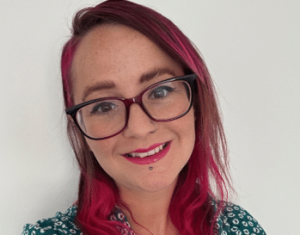
A personal reflection by Hannah Bainbridge, Assistant Psychologist at Psychological Therapeutic Solutions Ltd
Looking back with a different understanding
Receiving a neurodivergent diagnosis as an adult can change how we understand ourselves and the experiences that have shaped our lives. For me, receiving my diagnosis brought a mixture of relief, validation and sadness. Things that I had previously struggled to understand began to make more sense, but I also found myself reflecting on childhood experiences of bullying, feeling different and struggling to find where I belonged. I wondered whether those years might have felt different if I had understood my neurodivergence earlier and recognised that some of the difficulties I experienced were not personal failings.
Through my work as an Assistant Psychologist at Psychological Therapeutic Solutions, alongside studying for my MSc in Forensic Psychology, I have become increasingly interested in how early experiences influence our confidence, relationships and psychological wellbeing. This reflection is also personal because I recognise that some of the difficulties I now understand from a psychological perspective are experiences I have navigated myself. They have strengthened my appreciation of how important it is for children and young people to feel accepted, particularly when they experience the world differently from those around them.
When being different affects belonging
During childhood and adolescence, friendships and feeling accepted can play an important part in developing our sense of identity. For neurodivergent children and young people, differences in communication, sensory processing or social interaction may sometimes be misunderstood, especially in environments where there is an expectation that everyone should respond in similar ways. Unfortunately, these differences can also contribute to exclusion or bullying, which may influence how a young person comes to view themselves.
Looking back at my school experiences, I remember struggling to understand why I felt different. I experienced bullying and found it difficult to establish friendships where I felt genuinely accepted. At times I questioned whether something was wrong with me because I did not seem to fit in. Research has identified an association between bullying and lower self-esteem (Tsaousis, 2016). I now recognise how repeated criticism or exclusion may contribute to negative beliefs about ourselves that continue long after the experiences have ended.
What parents might notice
For parents, a child’s difficulties are not always immediately obvious. Some children manage to hold everything together at school but become overwhelmed at home, while others withdraw from activities they once enjoyed or become increasingly anxious about friendships, school attendance or social situations. A child may begin describing themselves negatively, appear particularly sensitive to criticism or work hard to conceal how much they are struggling. These behaviours can have different explanations, and it is important not to assume that they automatically indicate neurodivergence or trauma. They may, however, be signs that a young person needs a safe opportunity to talk about what is happening.
Sometimes, what appears to be defiance, reluctance or a lack of confidence reflects a child who is finding their environment difficult to navigate. Being curious about what lies behind the behaviour can help parents and professionals respond with understanding rather than focusing solely on what is visible.
Bullying, safety and emotional responses
One of the things I have reflected on since my diagnosis is how bullying may continue to influence the way we respond to situations long after it has stopped. Not every experience of bullying results in trauma-related difficulties, but repeated rejection, humiliation or intimidation can affect confidence, relationships and emotional wellbeing. A young person who has frequently felt criticised or excluded may become particularly alert to signs that it could happen again, even in situations that other people consider relatively safe.
In my own experience, I became increasingly conscious of how I came across to others. I sometimes worried about what I had said, whether I had misunderstood an interaction or whether people really liked me. Looking back, I can understand how these patterns may have developed from repeated experiences of feeling different or being bullied. For a child or teenager, similar feelings might emerge when receiving feedback, joining a new friendship group or navigating disagreements with peers. Understanding those responses with compassion can create space for them to develop greater confidence instead of seeing their emotions as another personal failing.
The emotional cost of masking
Masking involves consciously or unconsciously adapting aspects of our behaviour or communication in an attempt to fit in, avoid criticism or meet social expectations. Some neurodivergent children may copy the behaviour of others, suppress natural responses or closely monitor how they interact. These strategies can help them navigate particular situations, but they may also require considerable effort and leave them anxious or exhausted. Masking is not always obvious to parents or teachers, especially when a child appears sociable or academically capable.
I recognise now how much time I spent checking whether I was fitting in. I did not always understand that I was doing this, because it had become such a familiar part of my life. Understanding my neurodivergence helped me appreciate the difference between making adjustments that support my wellbeing and feeling that I must constantly change myself to be accepted. For children, being allowed to communicate their needs and have their differences understood may make a meaningful difference to their sense of safety and belonging.
Finding the right support
Parents sometimes seek private psychological support when they can see that their child is distressed but are unsure what is contributing to the difficulties or what might help. Their child may be struggling with anxiety, self-esteem, emotional overwhelm, friendships or the impact of earlier bullying, with or without a neurodivergent diagnosis. There is no single explanation for these experiences, and psychological support should begin with understanding the individual child, their family circumstances and the environments in which the difficulties arise.
Psychologically informed support may help children and young people develop emotional awareness, identify what contributes to feeling overwhelmed and explore practical strategies for coping. It may also provide a space to make sense of difficult experiences and understand how these have affected confidence or relationships. Parents can benefit from a better understanding of their child’s communication, emotional needs and responses to stress. Some young people will require more specialist assessment or therapy, in which case the most appropriate clinical pathway should be considered.
My approach as an Assistant Psychologist
My personal experiences have reinforced the importance of listening, remaining curious and recognising that everyone’s experiences are different. I understand how difficult it can be to feel misunderstood and how meaningful it can be when somebody takes the time to understand your perspective without judgement. Through my work at Psychological Therapeutic Solutions, I continue to develop my knowledge and skills in offering psychologically informed support, within my competencies and appropriate clinical supervision.
I believe it is important that children and young people are not made to feel that the purpose of support is to change who they are. Instead, the aim is to understand the difficulties they are experiencing, recognise their individual strengths and needs and consider what could help them feel more confident and supported. My own diagnosis has not changed my past, but it has changed how I understand it. I hope that sharing this reflection helps parents recognise the value of listening to their child’s experience and seeking support when difficulties begin to affect everyday life.
If your child or young person is finding things difficult, Psychological Therapeutic Solutions Ltd can discuss their needs and whether support with Hannah, under clinical supervision, or another member of the team would be appropriate.
Hannah Bainbridge | Assistant Psychologist | www.ptsolutionsltd.com
References
National Autistic Society. (n.d.). Masking. https://www.autism.org.uk/advice-and-guidance/behaviour/masking
Tsaousis, I. (2016). The relationship of self-esteem to bullying perpetration and peer victimization among schoolchildren and adolescents: A meta-analytic review. Aggression and Violent Behavior, 31, 186–199. https://doi.org/10.1016/j.avb.2016.09.005